No products in the cart.
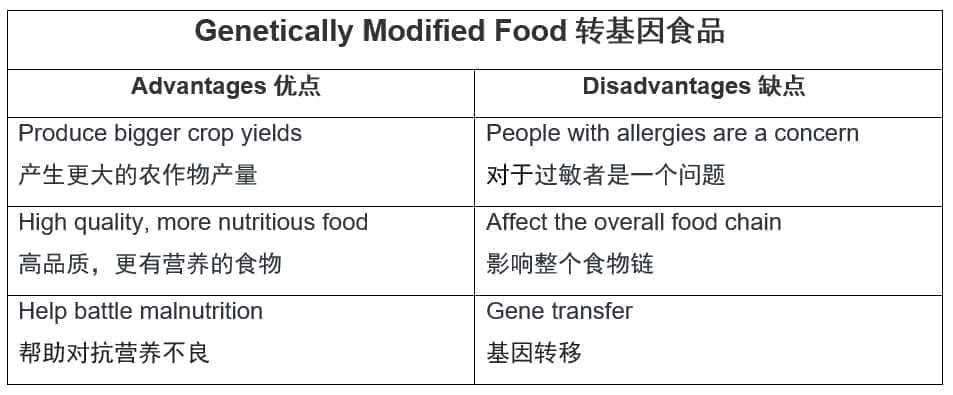
Genetically modified organisms (GMO) 转基因
1. What are genetically modified (GM) organisms and GM foods?
• Genetically modified organisms (GMOs) can be defined as organisms (i.e. plants, animals or microorganisms) in which the genetic material (DNA) has been altered in a way that does not occur naturally by mating and/or natural recombination.
• Foods produced from or using GM organisms are often referred to as GM foods.
2. Why are GM foods produced?
This is meant to translate into a product with a lower price, greater benefit (in terms of durability or nutritional value) or both. It is also to improve crop protection.
3. Are GM foods safe?
GM foods currently available on the international market have passed safety assessments and are not likely to present risks for human health. In addition, no effects on human health have been shown as a result of the consumption of such foods by the general population in the countries where they have been approved.
Continuous application of safety assessments based on the Codex Alimentarius principles and, where appropriate, adequate post market monitoring, should form the basis for ensuring the safety of GM foods.
1. 什么是转基因生物和转基因食品?
• 转基因生物可被定义为遗传物质通过非自然交配和/或非自然重组的方式发生改变的生物体(即植物、动物或微生物)。
• 从或使用转基因生物生产的食品一般称为转基因食品。
2. 为什么生产转基因食品?
转基因食品得以开发和销售是因为对这些食品的生产者或消费者存在着某些感知的好处。这是指将其转变为一种价格较低、利益更大(在耐用或营养价值方面)或二者兼具的产品。以转基因生物为基础开发植物的目标之一是改进作物保护。
3. 转基因食品安全吗?
目前在国际市场上可获得的转基因食品已通过安全性评估并且可能不会对人类健康产生危险。此外,在此类食品获得批准的国家普通大众对这些食品的消费未显示对人类健康的影响。
不断利用以食品法典委员会原则为基础的安全性评估并酌情包括上市销售后监测,应构成评价转基因食品安全性的基础。